What Are the Best Plushie Materials for Soft & Cuddly Toys?


When people shop for plushies, they usually ask one thing:
“Is it soft?”
But after 7 years and 25,000+ plushies, here’s the truth:
Softness isn’t just about the fabric — it’s about how materials work together.
Some plushies feel nice for 5 seconds.
Others feel like a real hug you don’t want to let go of.
In this guide, we’ll break down the materials that actually create that experience.
The Softest Plushie Materials (From Real Experience)
1. Minky Fabric — Ultra-Smooth Softness
Minky is widely considered the softest plush fabric available.
Feel:
- Smooth, velvety, almost skin-like
- Warm and slightly stretchy
- Even softness across the entire surface
It creates that “melt into it” sensation, which is why it’s often used in emotional comfort plushies.
Real-world insight:
While minky delivers unmatched softness, producing plushies entirely with this material requires a high level of precision and cost.
A typical minky plushie can reach $60 to $120+, and in some cases even higher depending on size and build.
This makes it less common for everyday plushies, but ideal for special designs and comfort-focused pieces. If your priority is maximum softness, this is the benchmark.
2. Fleece — Built for Everyday Cuddling

Fleece is one of the most practical and widely used plush materials.
Feel:
- Soft and warm
- Slightly stretchy
- Comfortable for long use
It’s ideal for:
- Sleeping
- Stress relief
- Daily cuddling
Typical cost:
Around $35 – $55 for a well-made plushie.
Important:
Thicker fleece performs better — thinner versions may shed.
3. Faux Fur — For Fluffy, Huggable Texture
Faux fur adds volume and softness you can feel instantly.
Feel:
- Fluffy outer layer
- Rich texture
- Visually soft
Best used alongside fleece to balance comfort and structure.
4. Suede — For Detail & Balance

Suede is used to add structure and realism.
Feel:
- Smooth and slightly firm
- Helps define shape
- Balances softer fabrics
When combined with faux fur, it creates a more natural feel.
Stuffing Matters More Than Fabric
The outer fabric controls texture.
Stuffing controls the hug.
We use PP cotton, which:
- Keeps shape
- Feels soft yet supportive
Pro insight:
Extra stuffing in the chest and stomach creates:
- Fuller feel
- Better “hug” sensation
- More emotional comfort
Weighted Plushies — A Comfort Upgrade
Weighted plushies add a calming effect.
Benefits:
- Helps relaxation
- Can improve sleep
- Feels grounding
This is why they’re popular for emotional support.
Common Material Issues (From Real Testing)
- Thin fleece → sheds more easily
- Low-quality faux fur → rough texture over time
- Poor stuffing → uneven or lumpy feel
Material quality matters just as much as material type.
What Actually Works Best (After 25,000+ Plushies)
From real production experience, this combination consistently performs best:
- Fleece → main body (comfort + flexibility)
- Faux fur → outer softness (fluff + feel)
- Suede → details (structure + realism)
- PP cotton → filling (support + softness)
This creates:
- Softness
- Shape
- Durability
- A satisfying cuddle experience
What Are the Best Plushie Materials for Soft & Cuddly Toys?
If you’re searching for the best plushie materials, you’re really asking one thing:
Which plush toy will actually feel soft, comforting, and worth hugging every day?
After 7 years and over 25,000 plushies made, here’s the truth:
The softest plush toys don’t rely on one material — they combine the right fabrics with the right stuffing.
Some plushies look soft but feel disappointing.
Others feel like a real hug.
This guide breaks down exactly why.
Must Read: How Plushies Help with Stress Relief
Best Plushie Material Combination
The most effective setup:
- Fleece → main body
- Faux fur → outer softness
- Suede → details
- PP cotton → filling
This delivers the best balance of:
- Softness
- Durability
- Structure
- Comfort
What Determines Plushie Cost?
Pricing depends on:
- Design complexity
- Stitching precision
- Finishing quality
- Material combinations
- Custom-dyed fabrics
Even similar-looking plushies can feel completely different based on these factors.
Plushies Are Personal
Here’s the part most guides miss:
There is no universally “better” plushie.
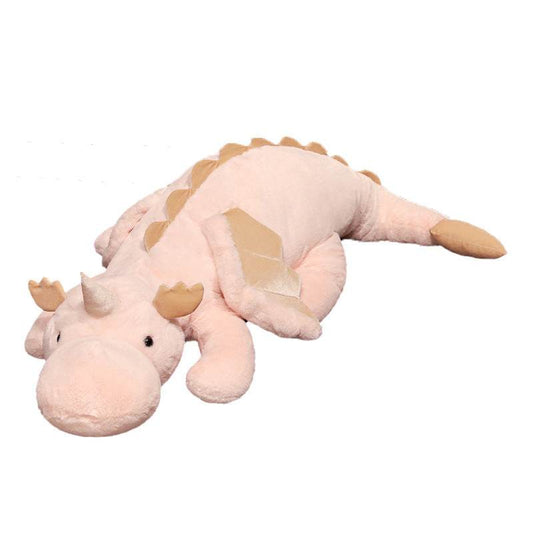
Some people instantly connect with a cute red panda plushie, others feel more comfort from a giant dinosaur body pillow.
That emotional connection matters more than material specs.
Final Verdict
If your goal is the smoothest possible softness:
Minky stands out.If your goal is something people actually cuddle, sleep with, and keep close every day:
A fleece + faux fur + suede combination with proper stuffing delivers the best real-world experience.
FAQs
Q.What is the softest plushie material?
A. Minky is considered the softest due to its smooth, velvety feel.
Q.Which material is best for cuddling?
A. Fleece is best for everyday cuddling because it is warm and flexible.
Q.Why do some plushies feel more comforting?
A. Stuffing placement, especially in the chest area, improves the hug experience.
Q. Are weighted plushies effective?
A. They can help promote relaxation and improve sleep.
Q. What is the best overall plushie material combination?
A. Fleece, faux fur, suede, and PP cotton create the best balance.